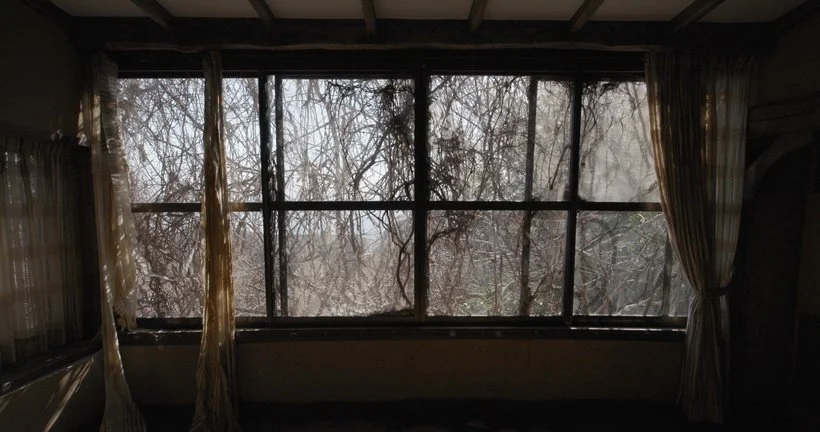
Earlier this year, we spent some time in Japan during parental leave.
On the flight to Japan, I met someone who put me in touch with a person interested in urbex, exploring Japan’s abandoned buildings and forgotten spaces. You’ve probably heard about Japan’s declining birth rate. Estimates suggest that somewhere between 12–15% of buildings are vacant or abandoned.
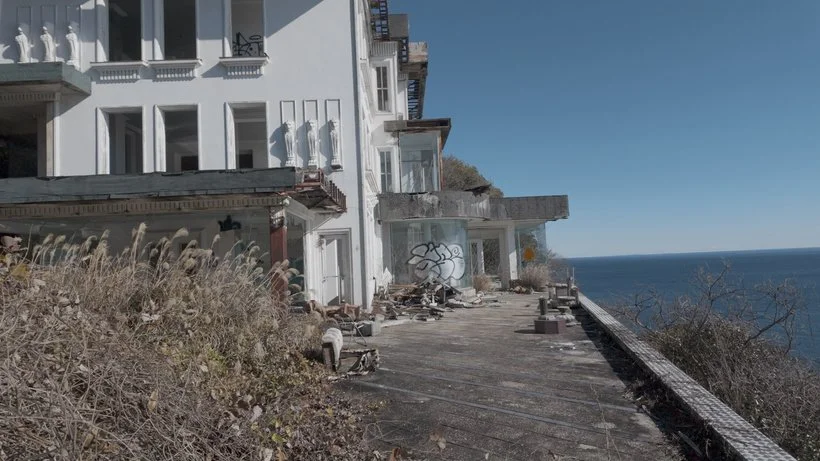
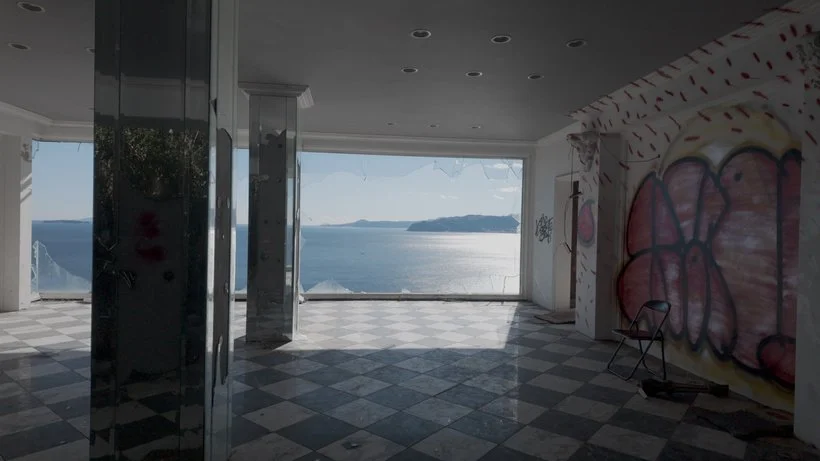
Below is an image of a coastal estate once owned by a Japanese businessman who, in the early 1990s, was reportedly the 72nd richest person in the world. He died around two years ago. The property includes three marble mansions overlooking the sea. They have sat abandoned for more than a decade following a long-running dispute over unpaid taxes. The owner was imprisoned for tax evasion in 2013, but continued contesting the case until his death. Over the years, the buildings have been heavily vandalised and valuables stolen.
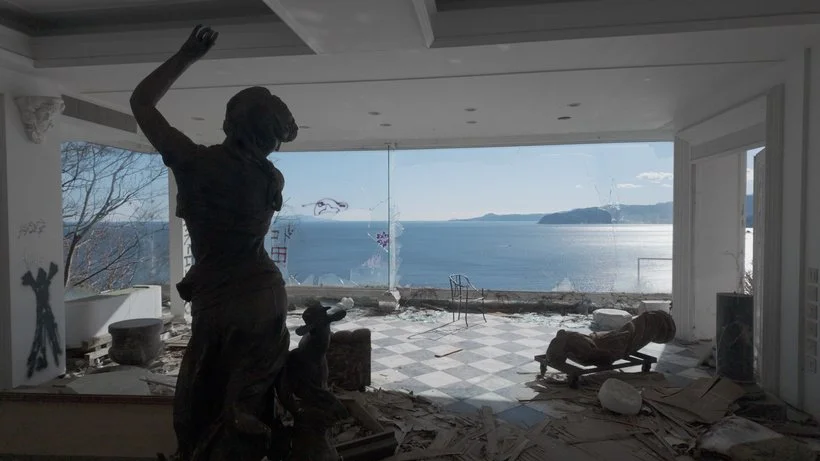
He had a large collection of Renaissance-style statues imported from Europe. Some remain boxed up in another building, although I ran out of camera battery before I could properly document them.
Two Rolls-Royce cars are still sitting in the garage.
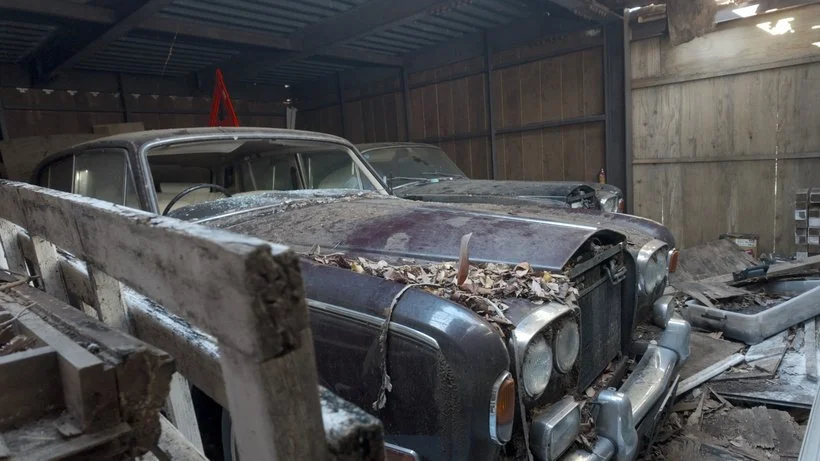
The former billionaire also owned several multi-storey properties in Tokyo’s Ginza district, home to some of the most expensive land in Japan. As far as I understand, some of these buildings also remain boarded up, apparently tied to the same unresolved legal and tax disputes. He was the eldest son of a wealthy kimono-making family from southern Kyushu. He never married and had no children.
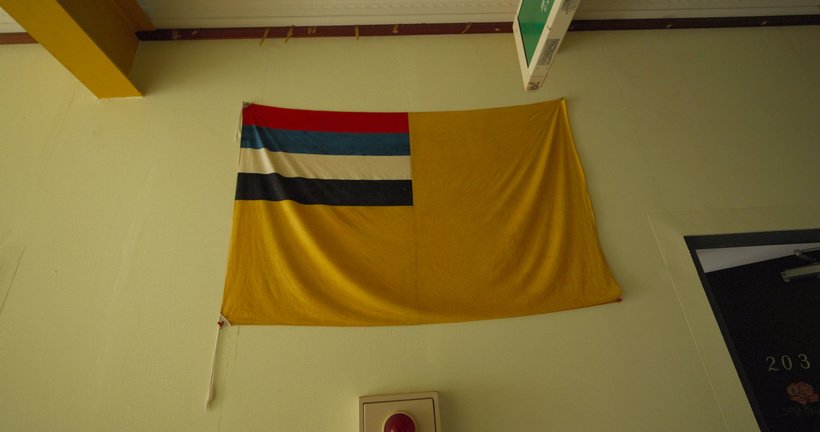
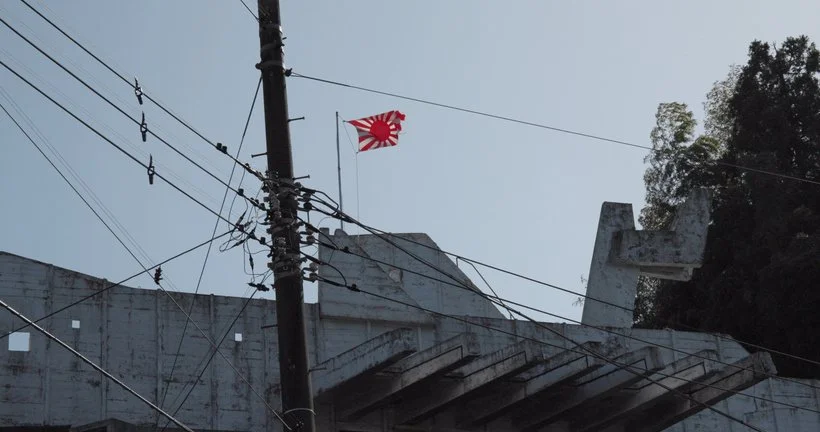
We also visited a former hotel and cultural association linked to a now-deceased former Japanese Imperial Army officer who had been active in Manchuria during the Second World War. The building served people who had returned to Japan from Manchuria after Japan’s defeat in 1945. The flag associated with Imperial-era Manchuria was displayed prominently.
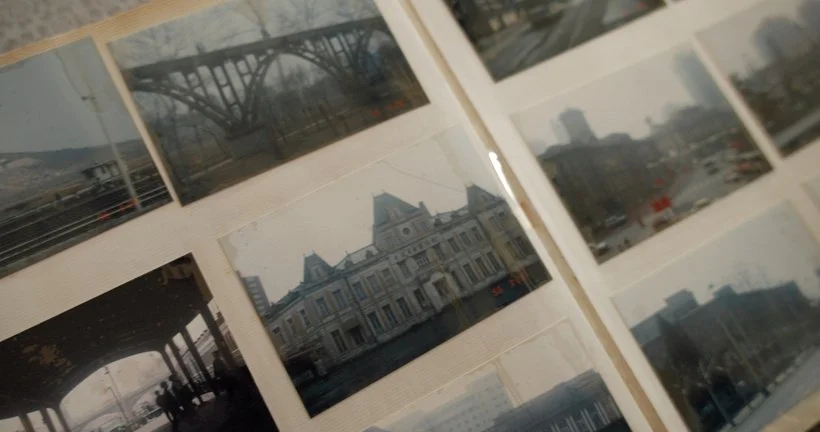
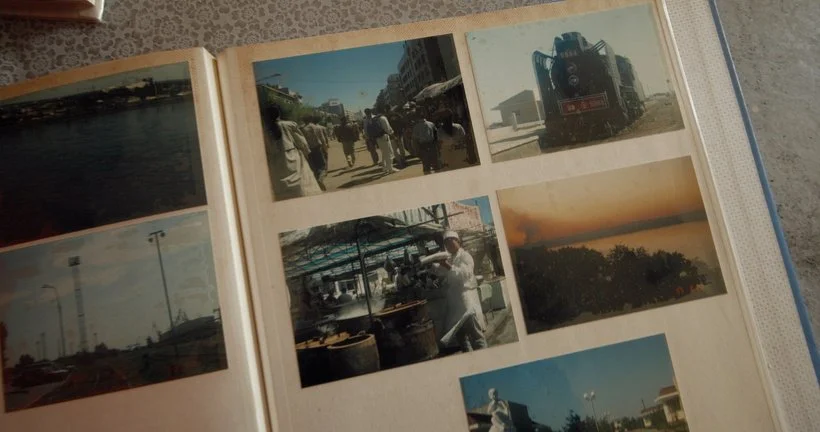
Inside were numerous photo albums from the 1990s documenting organised trips to China, where former residents revisited places connected to Japan’s former presence in Manchuria.
I later learned that a sizeable community of returnees from Manchuria had settled in this coastal region after the war. They established several large hotels in a hybrid Japanese-Western style that had been developed in Manchuria. In the postwar decades, the area developed into a well-known honeymoon destination for Japanese couples. During our visit, some residential buildings were flying Japan’s wartime Rising Sun flag — a symbol that remains highly controversial in China and Korea because of its association with Japanese militarism during the war.
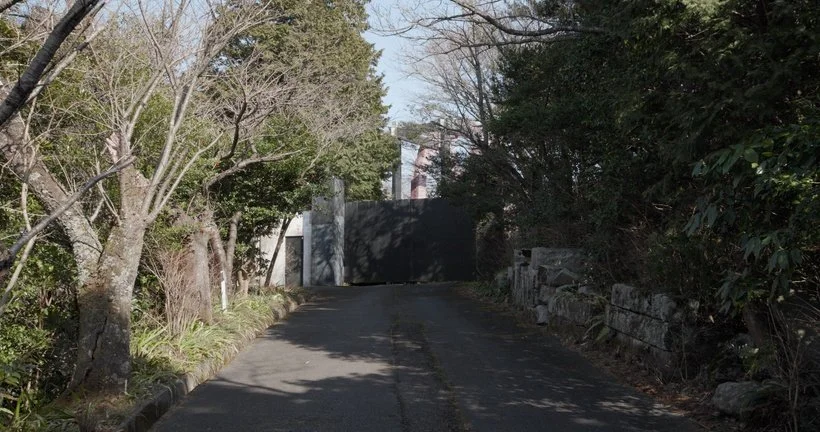
Along the same coastline sits a now-closed private museum that reportedly presented a strongly revisionist interpretation of the Second World War. At one stage, the building displayed a large swastika above the entrance. We cycled there hoping it might also be abandoned, but someone appeared to be living on the property. It was surrounded by barbed wire, and a security camera suggested visitors were not welcome. One online visitor account claims the museum contains a room dedicated to Hitler.
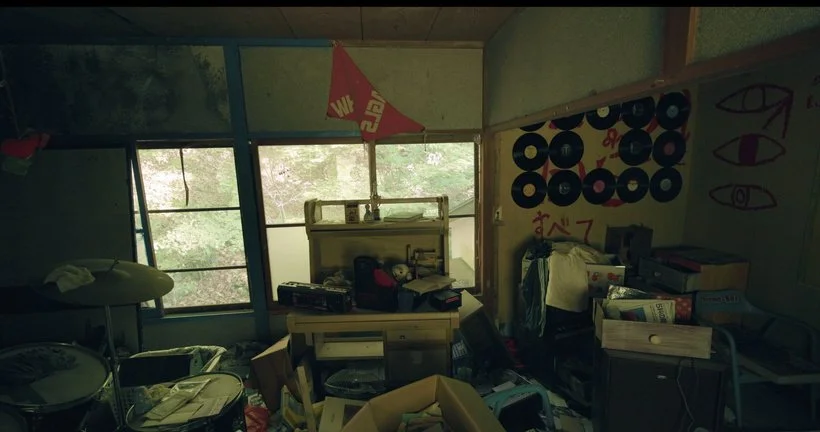
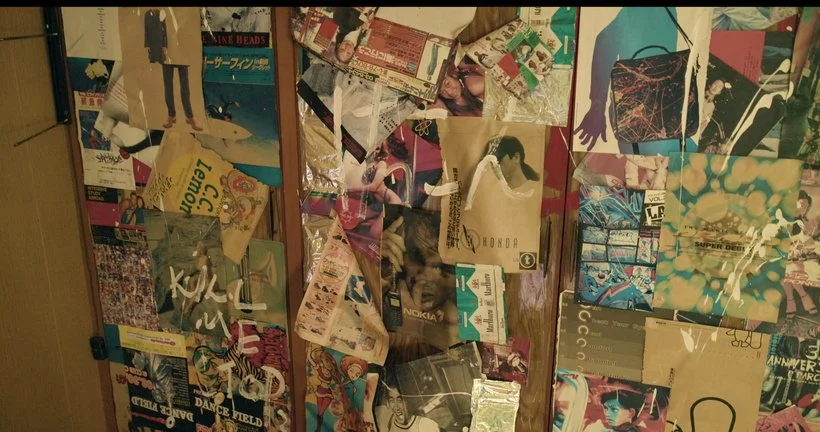
Elsewhere in Japan, we came across a house that appeared to have been abandoned for perhaps 30 or 40 years. Upstairs was the preserved bedroom of what looked like a rebellious teenager, frozen somewhere between the late 1970s and early 1980s.
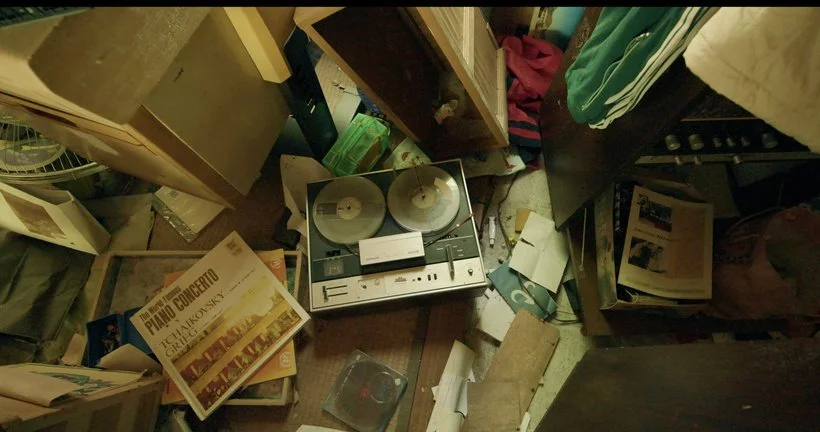
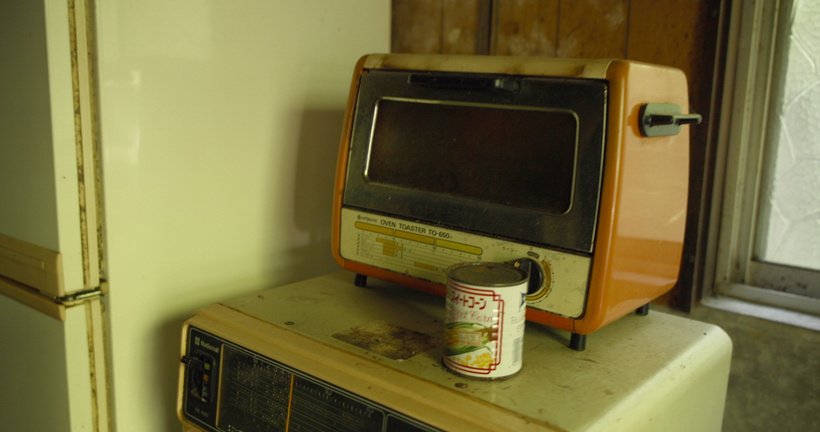
The kitchen still contained appliances from the same era. One particular Hitachi toaster model has since been identified as containing asbestos.
It’s possible the house was intentionally abandoned — something that recalls the Japanese phenomenon known as yonige, or “night moving”, where people burdened by debt would disappear overnight to escape creditors. Before the digital age, this was more common than it is today.
These photographs are a selection from the material I gathered during the trip. I think there’s the potential to turn it into something more substantial. I’m still deciding what form that might take — and whether to return for further filming and interviews.